
COLD chain packaging manufacturer Hydropac is preparing to launch HydroPure, a water ice pack featuring a built-in freeze indicator that changes the physical appearance of the pack once it has reached optimum freeze temperature.
The solution has been developed specifically for food manufacturers, meal kit providers, online retailers, and pet food brands.
With new rules on how packaging materials are assessed and charged, HydroPure is tipped to help reduce packaging disposal costs outlined in the new EPR fee structure.
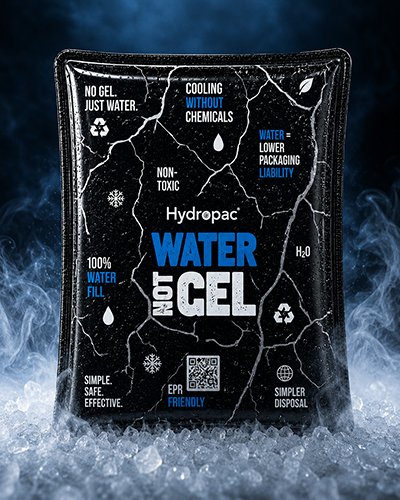
The ice packs are black by design. As the pack freezes completely, the black colour appears to ‘crack’ before turning pure white from the core outward, giving warehouse teams confirmation it is fully frozen and ready for use. Hydropac explained that this simple visual cue removes guesswork from the packing process and helps improve consistency across high-volume fulfilment operations.
Eliminating gel from the pack removes a refrigerant that is difficult to recycle and often ends up in landfill, helping brands reduce the environmental footprint. Because purified water isn’t classified as chargeable packaging material in the same way as gel, HydroPure offers the potential for lower EPR liabilities.
Colin Rowland, MD at Hydropac, said, “Cold chain packaging has traditionally been judged on one thing: whether it keeps products cold. That will always be essential, but businesses are now asking additional questions. How quickly does it freeze? How long does it protect products? Is it simple to dispose of? What does it mean for future packaging costs?
“HydroPure has been developed to help answer all of those questions as well as improving consistency across packaging operations thanks for its unique visual freeze indicator. It delivers exceptional cooling performance without the environmental impacts of gel-based packs, not to mention the potential it offers for substantially lower EPR costs.”