
A new technique has been developed by the University of St Andrews to detect toxic methanol in alcoholic spirits without having to open the bottle.
Methanol contamination of spirits causes hundreds of deaths each year. Recently high profile incidents have highlighted the danger, including the death of six tourists in Laos in 2024.
The university explained that current gold standard tests for methanol detection are ‘time consuming and expensive’ – requiring trained personnel and specialised laboratory equipment.
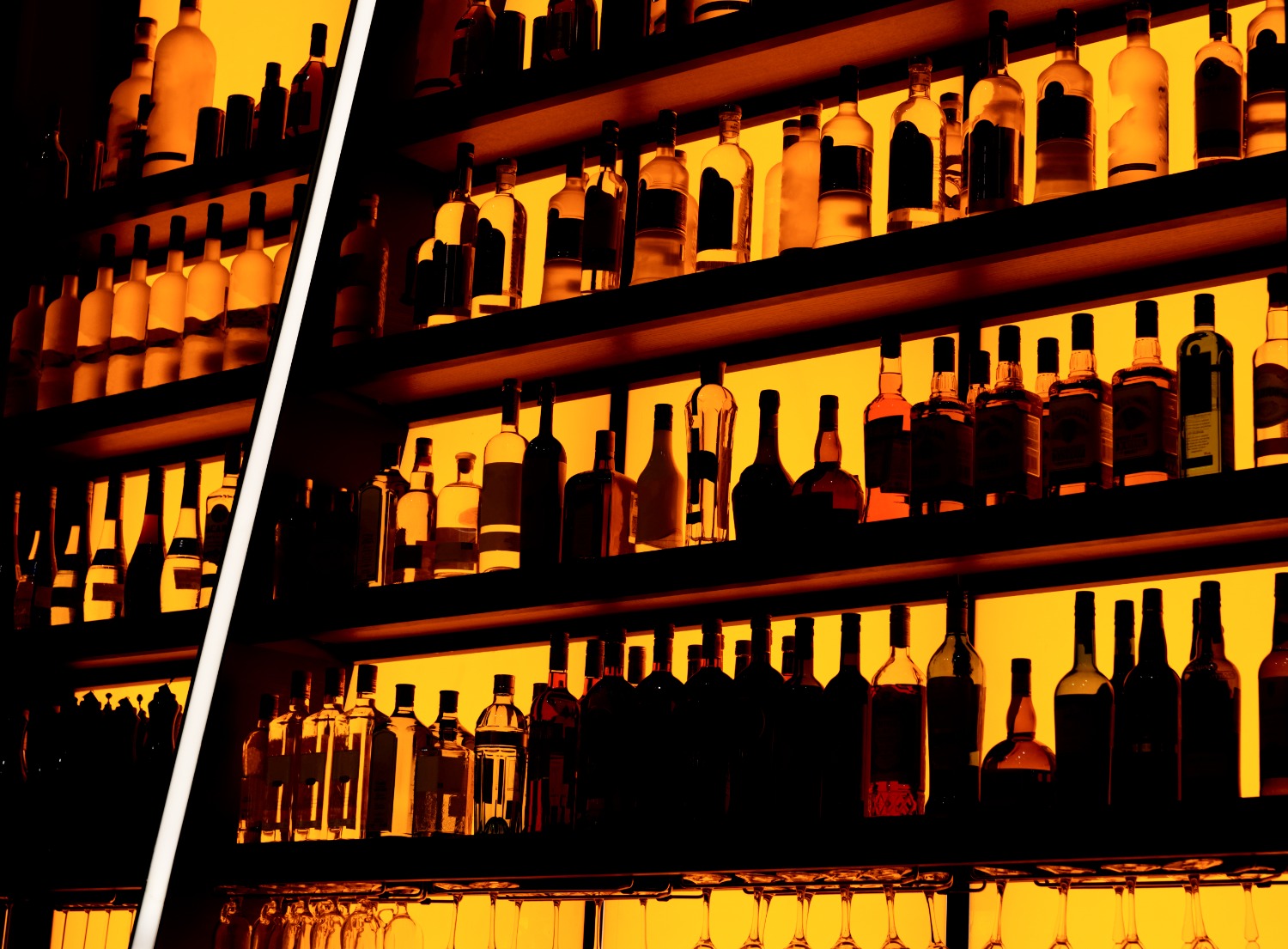
However, researchers have now developed a laser-based method that can detect methanol in alcoholic spirits without ever needing to open the bottle – even if its glass is coloured.
The new approach is based on Raman spectroscopy, which allows the unique chemical fingerprint of each spirit to be identified. By carefully shaping the laser beam and tuning its wavelength, the team can suppress unwanted signals from the glass bottle and isolate the chemical signature of the liquid inside.
Lead author, Ané Kritzinger from the school of physics and astronomy at the University of St Andrews, said, “This work shows that we can look inside a sealed bottle and determine its methanol content, without needing to open it. By carefully shaping the laser light into a ring, and slightly tuning its colour during the measurement, we can isolate the signature of methanol and suppress the signals from both the bottle and the main spirit.
“Crucially, it works across a wide range of real-world bottles, including green, brown and blue glass, where previous methods have struggled. It can be used for both colourless spirits like gin and vodka as well as coloured alcohols like whisky. This allows us to quantify methanol concentrations with a limit of detection of 0.2% – ten times lower than the human safety limit”.
Dr Graham Bruce from the University of St Andrews’ school of physics and astronomy co- led the research. He commented, “This technology opens the door to rapid, non-invasive screening for food and chemical safety, or for fighting the illegal trade in counterfeit spirits, pharmaceuticals or perfumes.”
The work builds on earlier research from the St Andrews group that demonstrated authentication of spirits through clear glass bottles. By overcoming the challenges posed by coloured glass and fluorescence, the new study represents a significant step towards practical, real-world deployment, it added.