
OVER 5,900 counterfeit viral TikTok toys have been seized by Glasgow City Council trading standards officers – saving an estimated £419,000 in health and safety costs.
A lack of UKCA/CE marking, manufacturer details, age restrictions, safety warnings, and instructions on packaging has been cited as a key sign that the item is likely to be counterfeit and not safe, the council said.
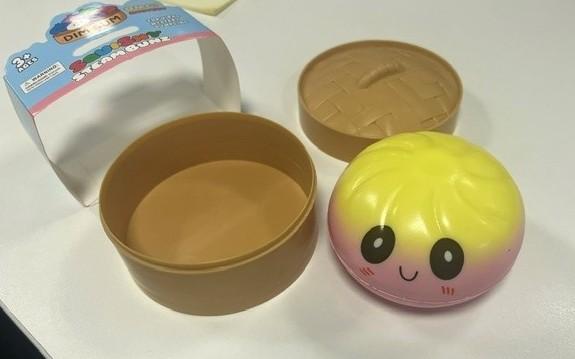
The illicit squishy toys were recovered from a warehouse on Commerce Street. Named due to its soft and squeezable texture, the items are typically made from polyurethane foam or gel materials.
Enjoyed by children and trending on social media, they tend to resemble a dumpling and come in a dim sum box, although there are other designs. Their rising popularity has seen an increase in counterfeit, incorrectly labelled products which have not passed health and safety regulations.
Unsafe versions may contain substances such as phthalates, solvents and formaldehyde, and emit strong chemical odours. Safety risks include skin irritation, nausea, headaches, and even breathing problems.
The toys may present a choking hazard to younger children, and many do not specify any age warnings. Products may fail to meet flammability standards and can split open, resulting in the unknown contents spilling out and posing further risk of harm.
Based on estimations from the government’s Office for Product Safety & Standards, each seized toy would have cost approximately £71 in terms of health and safety risks posed, damage to property, businesses losing sales, consumers having to replace items as well as time spent dealing with faulty products.
With around 5,900 toys seized, approximately £419,000 has been saved, the council revealed.
Councillor Laura Doherty, Glasgow City Council convener for neighbourhood services and assets, said, “The items which have been recovered pose serious dangers to anyone using or playing with them. I would urge people when considering buying these popular toys to check that you are purchasing from a retailer you can trust and to check labels thoroughly.”
People should look for information such as UKCA/CE marking, manufacturer details, age restrictions, safety warnings and instructions. If any of these are not on the packaging, it is likely to be counterfeit and not safe.
“This intervention prevented over £400,000 worth of harm to consumers and businesses.
“Trading Standards will continue to monitor the supply and distribution of counterfeit goods through targeted inspections and enforcement activity, particularly within lower-cost retail sectors and non-traditional supply chains.”