
A new report has forecast that one in four litter items could disappear in the coming years, thanks to the UK’s Deposit Return Scheme (DRS).
With less than a year to go until the scheme goes live, Trash Free Trails (TFT) – a not-for-profit organisation – has said it it will be worth the wait.
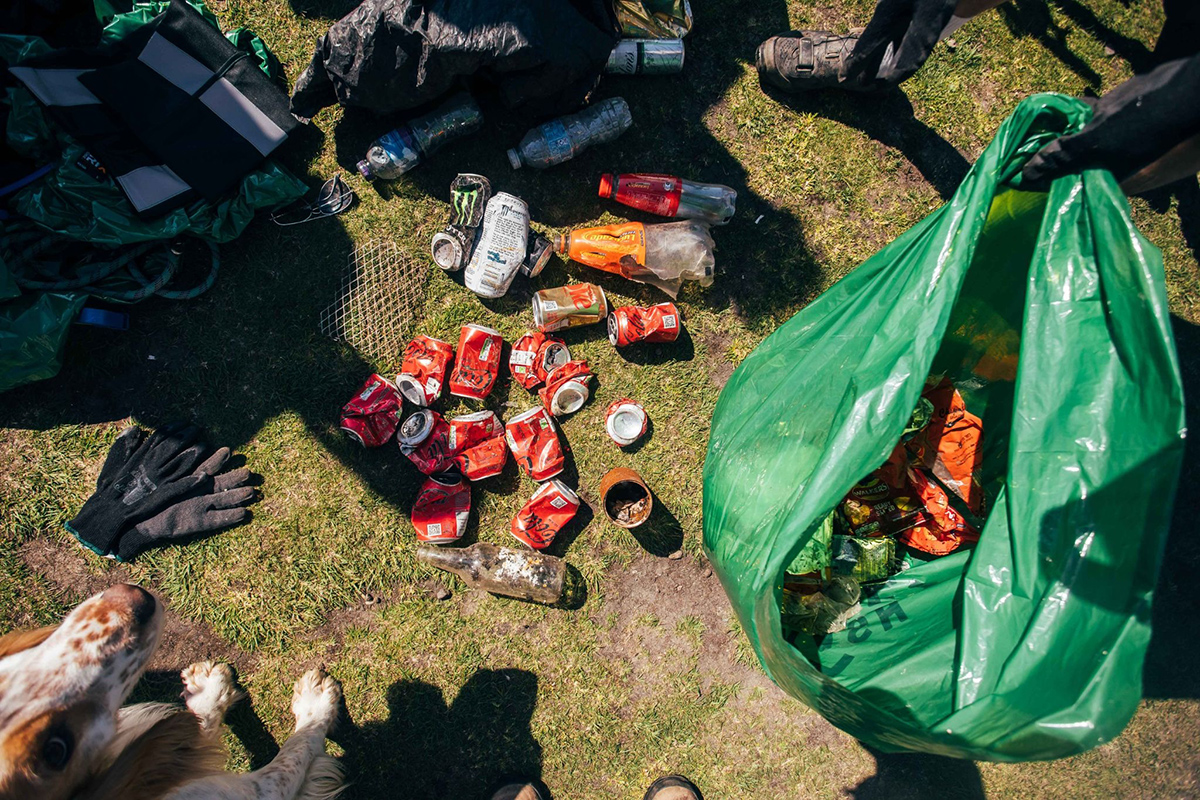
TFT’s research on the prevalence, composition and impact of litter on recreational trails has identified that 25% of litter on public trails, parks, woodlands and national parks are drinks containers. In this year’s edition of the State of Our Trails Report, international examples of DRS have been analysed to project the potential rewards the UK’s green spaces could reap once the scheme comes into effect on October 1, 2027.
The organisation said international Deposit Return Schemes report up to an 80% decrease in drinks container litter after 12 months. If similar levels were to be achieved in the UK, TFT estimates this could see 2.4 million fewer drinks containers on public rights of way, causing harm to plants, wildlife and communities.
Alongside a wealth of international deposit return schemes which highlight reductions in litter levels, TFT also looked closer to home, using the success of the Republic of Ireland’s scheme, introduced in February 2024, to showcase what could be possible. Surveys show that drinks container litter was 60% less common after one year.
The State of Our Trails Report also explores how DRS has further knock-on benefits, with international examples used to highlight that fewer bottles and cans littered will contribute to a significant reduction in other types of litter overall.
“The deposit return scheme will not only be a win for drinks brands looking to reduce their prevalence in our trash surveys; this will also create systemic waves across the single-use economy,” said TFT CEO Dom Ferris. “By reducing the numbers of drinks containers that are littered, we’ll see meaningful reductions in other types of litter too. With less prominent, upsetting and damaging items like drinks containers littering our wild places, we’re signalling that litter is unacceptable and everybody can play a part in protecting the places we love.”