

By Matt Boyle, sales director, food & retail, Europe, Metsä Board
IF there is one thing I hear repeatedly in conversations with food and retail brands across Europe, it is this: packaging has become more strategic than ever before.
Not long ago, packaging decisions were driven primarily by product protection, shelf impact and operational efficiency. Those priorities remain essential, but today they are joined by a new set of demands. Brands are under pressure to reduce environmental impacts, navigate regulations, improve recyclability and demonstrate progress towards sustainability targets.
These pressures are reshaping the packaging industry and accelerating innovation.
More with less
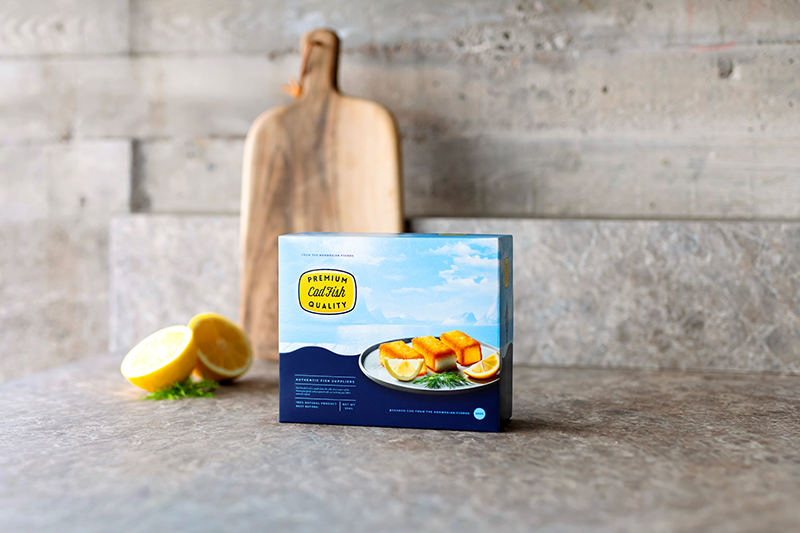
One of the most significant developments is the shift towards renewable and recyclable packaging materials. As brands look to reduce reliance on fossil-based materials, fibre-based solutions are playing an important role.
Advances in lightweighting, barrier technologies and packaging design are helping companies reduce material use while maintaining the performance needed to protect products throughout the supply chain.
Lightweighting, in particular, is becoming a powerful tool. With packaging waste regulations and EPR schemes gaining momentum across Europe, every gram matters. Successful lightweighting is not simply about using less material. It is about designing packaging smarter. By optimising structures and selecting the right materials, companies can reduce packaging weight while maintaining performance and product protection.
At Metsä Board, we see the greatest opportunities when materials expertise, barrier performance and packaging design are considered together. The most effective packaging solutions are rarely about changing a single material or component. They come from optimising the entire packaging structure to reduce material use while maintaining the performance, appearance and functionality brands require.
Regulation driving innovation
Regulation is becoming a major catalyst for innovation. The EU Packaging and Packaging Waste Regulation is placing greater emphasis on recyclability, material efficiency and reducing packaging waste. While regulation is often viewed as a compliance challenge, I see it as an opportunity. It is encouraging companies to rethink packaging design, invest in new solutions and accelerate the transition to a more circular economy.
The impact goes beyond compliance. Packaging choices are increasingly influencing business costs, material selection and product development. Companies that prepare early will be better positioned to meet future requirements while identifying opportunities to improve efficiency and reduce waste.
Data, design and collaboration
What excites me most is how packaging development itself is evolving. The future belongs to companies that combine materials expertise, packaging design and data-driven decision-making. Digital tools, simulation technologies and life cycle assessments are helping businesses compare alternatives, validate concepts earlier and make more informed decisions.
Working with leading food, beverage and retail brands, we at Metsä Board see first-hand that the best packaging solutions are developed through collaboration. That is why we opened our Packaging Design Studio in Milan, bringing together brands, designers and packaging experts to develop more creative and sustainable packaging solutions. The best innovations rarely happen in isolation. They emerge when different perspectives come together around a common challenge.
The earlier these conversations happen, the greater the opportunity to create meaningful improvements.
Bringing together different perspectives helps companies evaluate packaging solutions based on performance, material efficiency, recyclability and cost at the same time. That often leads to better decisions and stronger long-term outcomes.
No company can solve these challenges alone. Partnership across the value chain will become increasingly important as brands look for packaging that reduces environmental impact while maintaining performance and cost-efficiency.
Looking ahead
The direction of travel is clear. We will see lighter packaging, improved barrier performance, wider adoption of renewable materials and solutions designed for recycling from the outset.
The future of packaging is not more packaging. It is smarter packaging: lighter, more resource-efficient and designed for a circular economy from the outset. The companies that succeed will be those that can deliver both sustainability and performance, creating more value while using less.