
SCOTTISH Water has revealed how it has adopted an innovative technology that substantially reduces plastic laboratory waste.
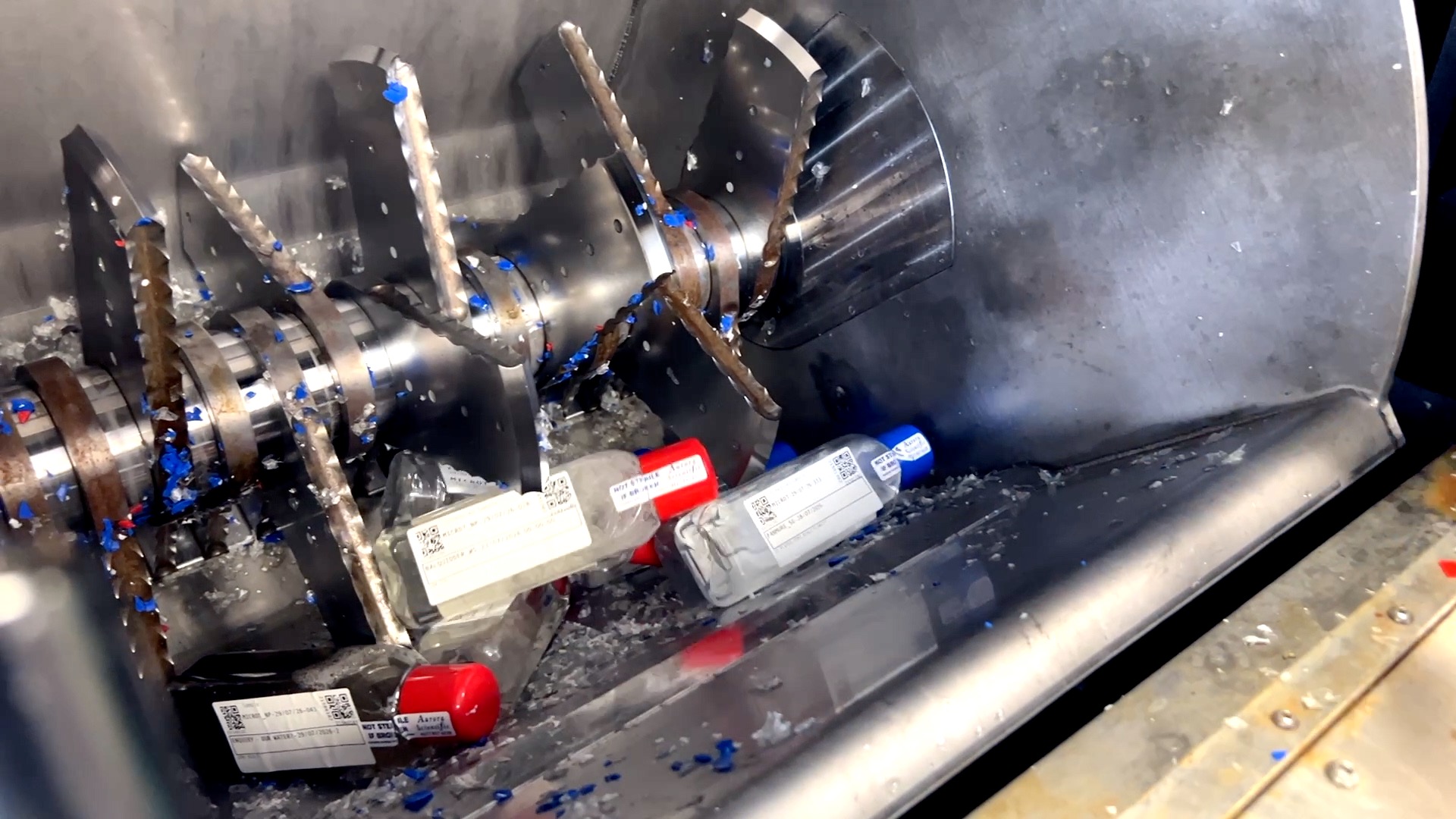
The utility has adopted Envetec Sustainable Technologies‘ Generations technology, which provides an efficient route for Scottish Water’s sample bottles – enabling single-use plastics that may be contaminated with microbiological waste to be disinfected, shredded, and prepared for recycling.
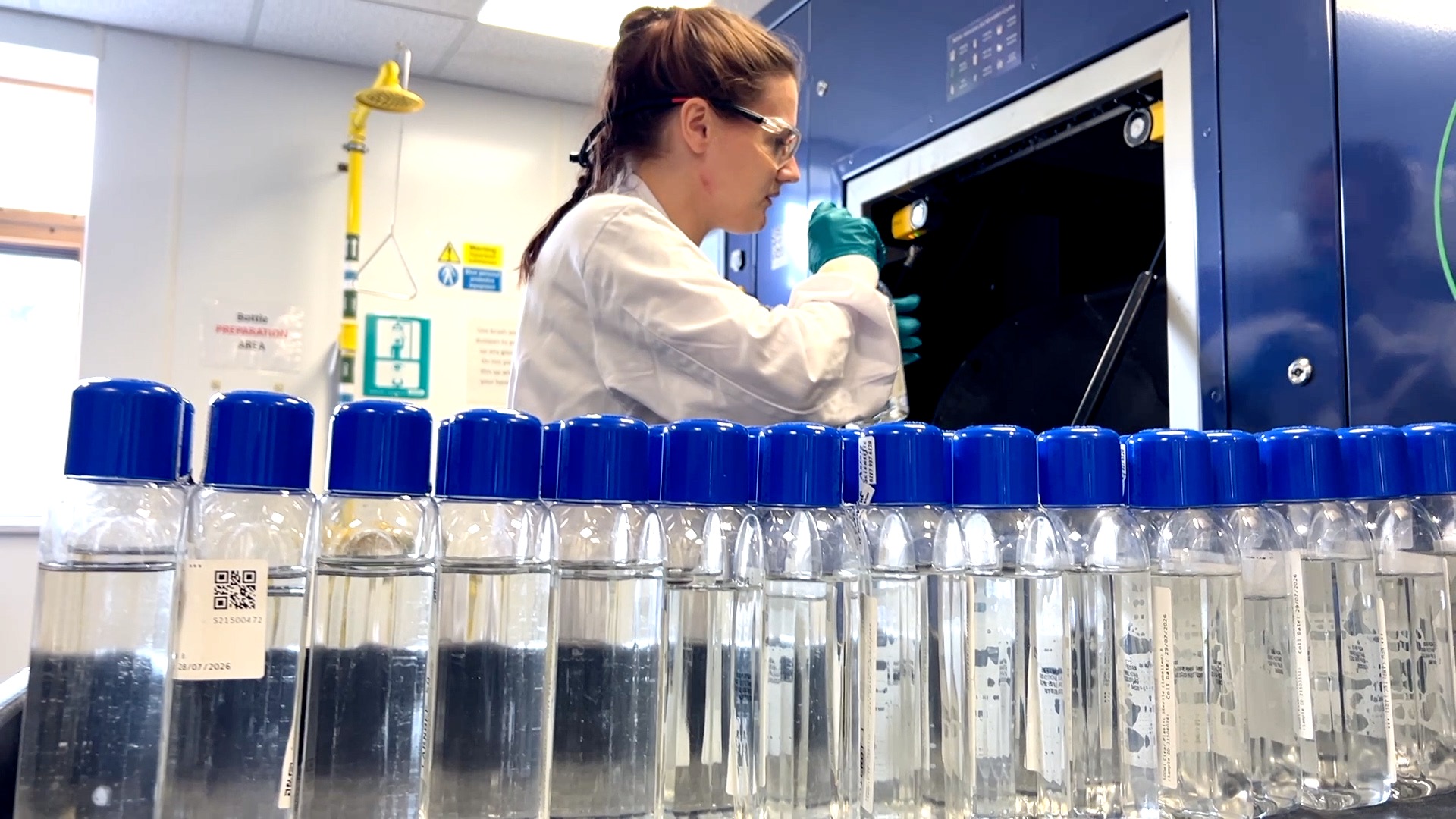
The utility completes around three million analytical tests each year across its laboratories in Edinburgh, Inverness, and other locations in Scotland to protect public health, maintain water quality, and safeguard the environment.
To ensure compliance with stringent regulatory standards, Scottish Water must use large quantities of single-use plastics in its labs – including sample bottles, petri dishes, and pipette tips, to support safe, sterile and accurate testing, making its scientific services team the largest producer of plastic waste across the company.
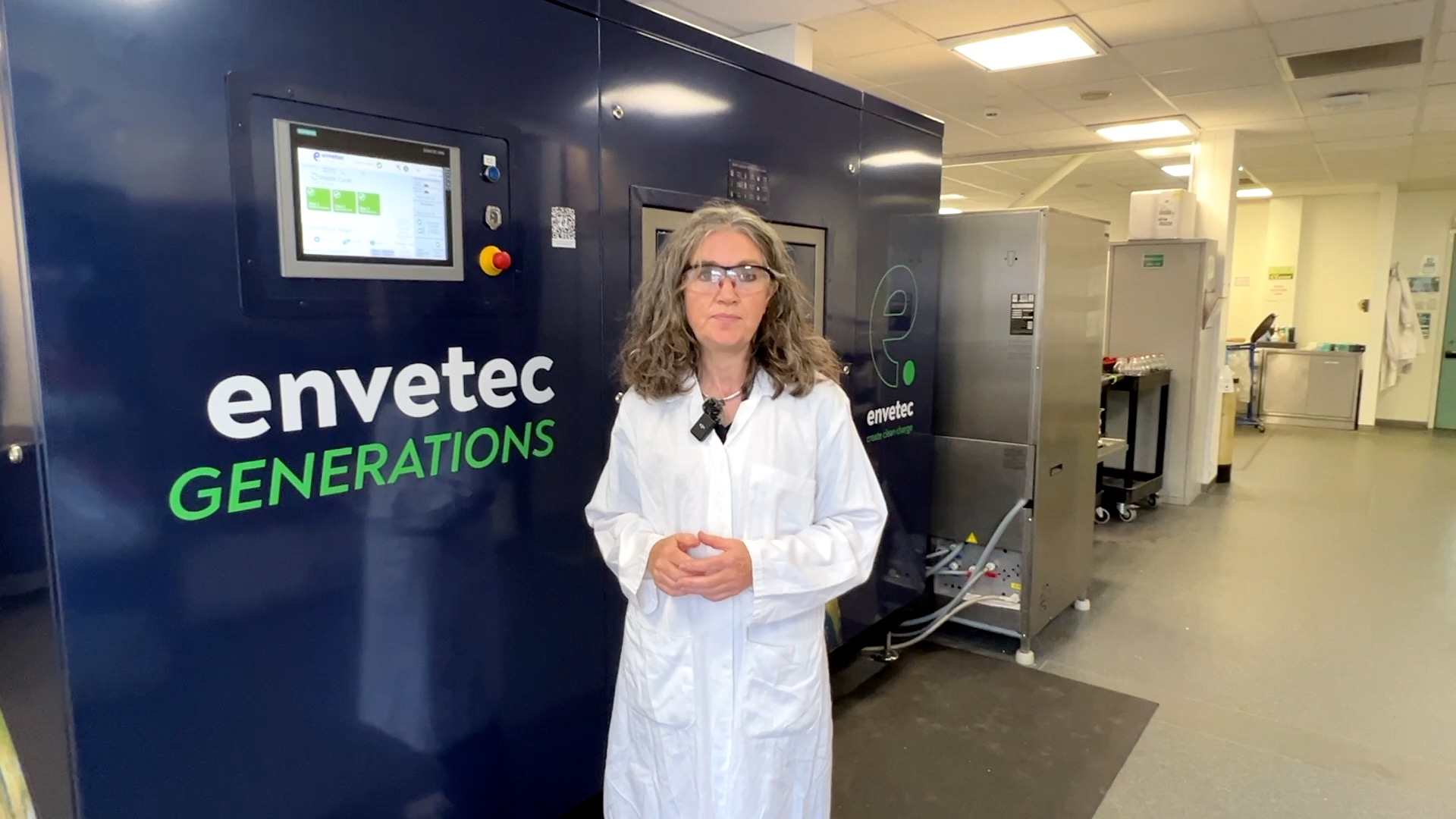
Elise Cartmel, general manager for net zero at Scottish Water, said, “We carry out millions of tests in our labs every year to protect public health and the environment, and that relies on single-use plastics. We’re really pleased to be working with Envetec to lead the way with this innovative technology. It is allowing us to handle these waste streams in a more environmentally friendly way and reducing what goes to landfill or incineration, while maintaining the high standards our customers expect.”
Since January, Scottish Water’s Scientific Services team has processed approximately 72,000 sample bottles through the new Envetec technology, reducing the time staff spend manually handling bottles and creating a more streamlined, traceable process for one of its highest-volume laboratory plastic streams.
The team is now extending the technology to microbiological plastic waste that has traditionally required autoclaving – a sterilisation process used in labs and healthcare settings to make equipment or samples completely free of micro-organisms – before being sent to landfill or for incineration because it could not previously be recycled.
By enabling these previously unrecyclable plastics to be treated for recycling, the new process supports a more circular approach while helping reduce energy demand, water use and carbon associated with traditional treatment processes.
Karen Rae, senior project manager for Scottish Water’s scientific services, added, “Managing laboratory plastics after use has always been a challenge. We already had recycling routes for sample bottles, but Generations gives us a more efficient way to deal with high volumes of plastic and, importantly, enables us to recycle waste streams that could not previously be recycled because of potential microbiological contamination.
“It also frees up valuable staff time by reducing manual handling, uses less water than traditional treatment routes and helps cut carbon by reducing reliance on autoclaving and the number of plastic recycling skip uplifts needed. The system gives us clearer data on what we are processing and where those materials go next, helping strengthen reporting, improve traceability and make more informed decisions over time.”
Generations uses simultaneous chemical disinfection and shredding to treat laboratory plastic waste on site, including non-hazardous sample bottles and microbiological plastic waste such as petri dishes and pipette tips.
The process produces treated material suitable for recycling, helping Scottish Water bring previously non-recyclable contaminated plastics into a recycling pathway while reducing reliance on autoclaving, landfill and incineration for selected waste streams.
Malcolm Bell, chief executive officer of Envetec, which is based in Birdhill in Ireland, said, “Scottish Water is demonstrating how essential laboratory plastics can be managed differently after use. These materials are often necessary for safety, accuracy, and compliance, yet their end-of-life can be transformed. Generations is helping laboratories treat selected waste streams on site, capture useful operational data, and support meaningful material recovery.”
Alongside the treatment of laboratory plastic waste, the technology captures data on waste volumes, material types, laboratory sources, downstream pathways, polymer types, and indicative emissions savings.