
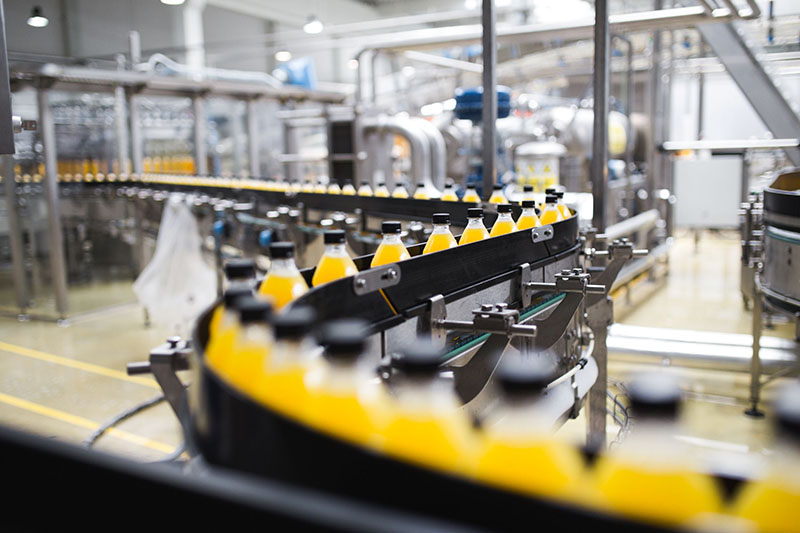
ACCORDING to Water UK, a dripping tap wastes 5,500 litres of water every year. That same process of quiet, cumulative waste can impact the packaging industry if left unaddressed. Here, Mark Richards, UK sales manager at industrial control and automation specialist Beckhoff, explains how small process deviations, brief production stops and rejected products can quietly generate large amounts of waste across high-volume production lines and what engineering managers can do about it.
Across the packaging industry, sustainability efforts have been largely focused on materials. Manufacturers are exploring recyclable plastics and new packaging formats. While these developments are important, the efficiency of the production process itself can have an equally powerful impact on sustainability outcomes.
The hidden impact of avoidable waste
When machines on a packaging line fall out of sync or production settings drift outside their optimal range, quality issues can arise and cause common problems such a misaligned labels and damaged packaging. This leads to rejected products or additional rework, increasing material use and energy consumption.
As explained by the global environmental NGO WRAP, ‘waste is not simply material that is excess to requirements it represents the loss of valuable assets’. In packaging production, that can mean wasted packaging materials, wasted energy, lost time and lower yield.
Short production stops can also have a wider impact. Restarting machines requires additional energy and may generate further waste while the process stabilises again.
Reducing these inefficiencies does more than improve sustainability performance. It also increases yield, improves productivity and reduces operating costs. More output is achieved with the same resources, while reducing operating costs that may be associated with waste disposal and downtime.
Process optimisation through data and automation
Modern automation systems now allow manufacturers to monitor and control production processes with far greater precision. Real-time data from sensors machines and production lines can provide valuable insights into how a process performs.
Precision and proximity sensors give insights into packaging location and machine synchronisation which ensures there are no packaging errors, while energy monitoring sensors manage electricity consumption and helps to identify inefficient equipment. This visibility allows operators to identify problems earlier and adjust before quality issues occur.
Automation platforms also support improved coordination between machines. In high-speed environments such as packaging production, precise synchronisation is essential for maintaining consistent product quality.
Open automation platforms combine control, monitoring and data analysis in a single environment to help achieve this. Real-time communication between machines and production systems helps manufacturers identify issues more quickly. It also makes it easier to optimise processes and maintain consistent production.
Sustainability through smarter production
Sustainability in manufacturing is often discussed in terms of material innovation. However, the efficiency of the production process itself can have an equally significant impact. Reducing rejects, limiting rework and stabilising production lines allows manufacturers to produce more usable products from the same amount of raw material. At the same time, improved process control can reduce energy consumption per unit produced.
A dripping tap might seem harmless, but over time a steady drip wastes thousands of litres. On a packaging line, waste often builds in much the same way, through small inefficiencies that are easy to overlook but significant in aggregate. Reducing these losses through better process control can help manufacturers cut waste, improve yield and achieve more consistent, high-quality output.