
SPARXELL, a Cambridge-based materials company, has raised $5 million in Pre-Series A funding to scale a cellulose-based colour technology designed for packaging, coatings and films.
The round is led by SWEN Capital Partners’ Blue Ocean 2 fund, with participation from Alpha Star Capital and Cambridge Enterprise. The investment accelerates Sparxell’s transition from pilot programmes to commercial-scale manufacturing, with tonne-scale production facilities operational this year.
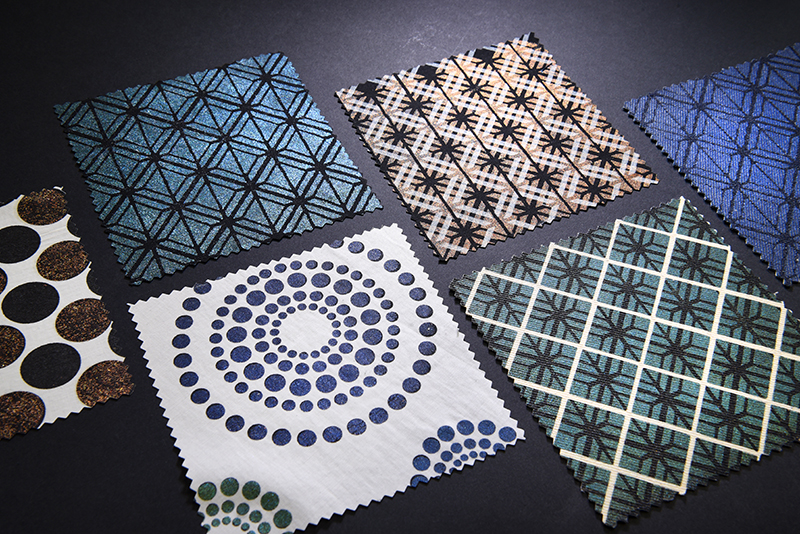
Sparxell aims to ‘revolutionise’ the world of industrial colourants. Its patented technology uses cellulose from wood pulp, extracting and assembling cellulose crystals into structures that reflect specific wavelengths of light to create 100% plant-based structural colour, eliminating petroleum-based chemicals, synthetic dyes, toxic heavy metals and minerals.
Using physical structures rather than toxic chemicals to create colour, Sparxell explained that their capabilities span pigment powders, glitters, inks, sequins, and films.
Dr Benjamin Droguet, founder and CEO of Sparxell, said, “Our technology isn’t just an alternative – it is here to stay because it delivers superior performance due to its nature-inspired features. This funding takes us from proof of concept to production and commercial launches.
“We’re at an inflexion point. Brands are under pressure to eliminate synthetic toxins from their supply chains. Momentum is building in Europe around banning ‘forever chemicals’ such as PFAS. The EU microplastics ban is also now in force, while the FDA is reassessing synthetic colour additives.”
The investment follows a landmark year for Sparxell. The business has already secured a €1.9 million grant from the European Innovation Council (EIC), while commercial validation has come through partnerships across diverse industries, including packaging, fashion, beauty, and automotives. Sparxell announced a collaboration with British luxury brand Patrick McDowell and launched commercially available plant-based textile inks with Positive Materials.
The Pre-Series A funding will drive three strategic priorities: scaling manufacturing to tonne-scale production; accelerating product certification for textiles, cosmetics, and automotive applications; and hiring new staff, including for business development.