
This article contains paid-for content created in collaboration with CJS Automation
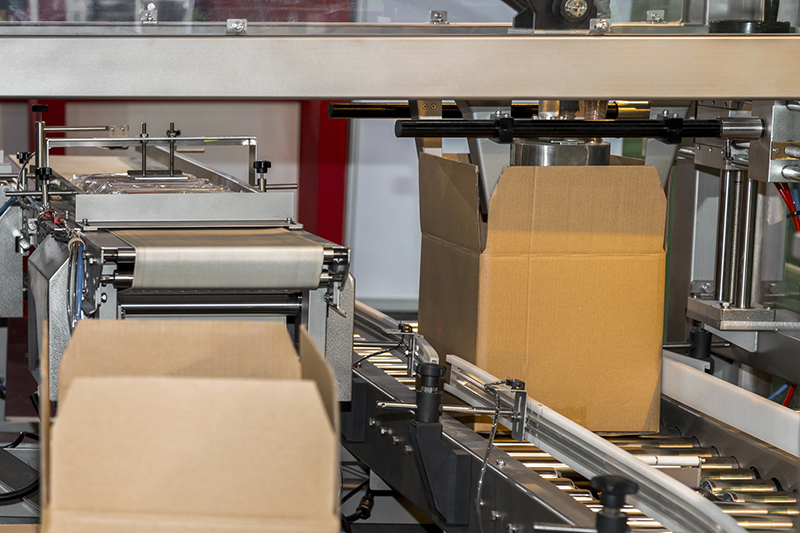
Automation is central to keeping packaging lines moving efficiently and consistently, whether they operate in food and beverage, pharmaceuticals, consumer goods, or other fast-paced manufacturing sectors. Even the most advanced systems, however, depend on the reliability of their components. When a single part falters, production can slow or stop entirely, and for many businesses, unexpected downtime remains a persistent challenge on the factory floor.
Rather than being caused by dramatic failures, downtime often stems from more subtle issues. Gradual component wear, the use of incompatible or low-quality parts, gaps in maintenance routines, or delays in sourcing replacements can all contribute. As packaging lines become more complex and tightly integrated, addressing these risks proactively is increasingly important.
How small components create big disruptions
Every automated packaging line relies on a network of mechanical, electrical, and control components working in harmony. Sensors, actuators, bearings, conveyors, drive systems, connectors, and safety devices all play a role. When one of these components begins to degrade, the impact may not be immediate. Small inefficiencies can accumulate over time, disrupting the line.
Common causes of avoidable downtime include wear on consumable parts, poor compatibility between new and existing components, infrequent visual checks that allow minor faults to go unnoticed, and difficulties sourcing replacements quickly. These challenges are routine in automated production, and what matters most is the ability to detect problems early and address them efficiently.
Smart maintenance as a practical strategy
Maintenance does not need to be complex or costly to be effective. Many packaging operations benefit from simple, structured routines that help keep equipment running smoothly and reduce the likelihood of sudden failures. Practical measures often include regular inspections of high-wear components, baseline performance monitoring to identify changes in speed, noise, or alignment, clear maintenance logs that help teams spot patterns over time, and good operator awareness so frontline staff can recognise early warning signs.
Taken together, these routine checks and record-keeping practices can help reduce unexpected stoppages by addressing issues before they escalate.
The role of specialist automation part suppliers
Specialist automation parts suppliers can play an important role in helping manufacturers manage downtime, particularly where equipment incorporates components from multiple brands and generations. Access to reliable replacement parts, clear information on compatibility, and consistent availability can all support smoother operation across automated packaging lines.
Industry specialists often see these challenges firsthand. Johnathan Craddock, Director at CJS Automation, explains: “Many of the issues we encounter relate to the variety of machinery found across different facilities. When a critical component isn’t immediately available, even a small delay can affect production. Keeping essential parts accessible helps make day-to-day operation much more resilient.”
By working with knowledgeable suppliers and ensuring appropriate components can be sourced when needed, manufacturers can strengthen their overall maintenance approach and reduce the risk of extended downtime.
Planning ahead to maintain resilience
Even with strong maintenance routines and reliable supply support, downtime cannot be eliminated entirely. However, it can be mitigated. Many packaging businesses keep a limited inventory of essential components, particularly those with longer lead times or known wear characteristics. Others build close relationships with suppliers to enable faster support when unexpected issues arise.
These steps contribute to greater operational resilience and help production return to normal more quickly when disruptions occur.
A more reliable path forward
Automation continues to advance, but its effectiveness still depends on the fundamentals: reliable components, informed maintenance practices, and trusted supply partners. By paying attention to the smaller details within the system, packaging businesses and distributors can reduce the risk of disruptive stoppages and maintain consistent production performance. While downtime may be unavoidable at times, a considered approach can help limit its impact.