
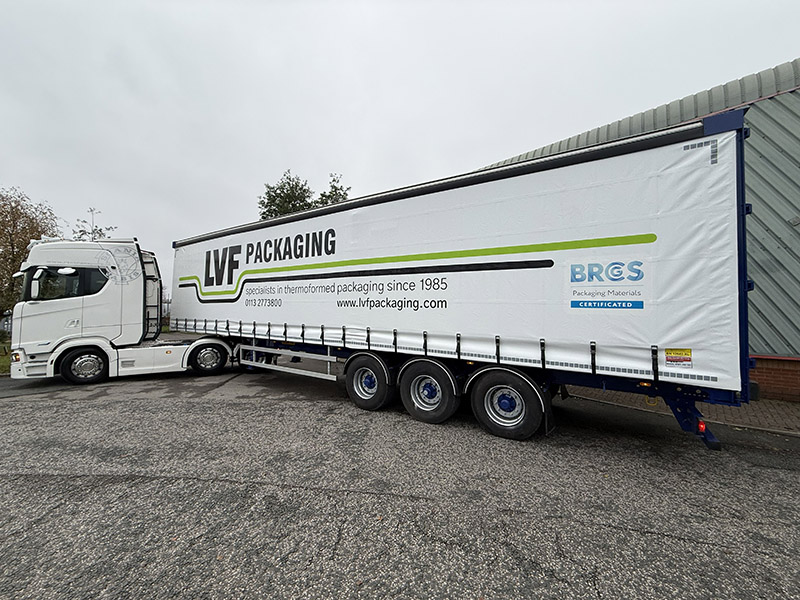
Daniel Coates, business development director at LVF Packaging, tells Packaging Scotland how the company, which recently celebrated 40 years, rose from humble beginnings to become a significant player
Leeds-based LVF Packaging has just marked its 40th anniversary and the business celebrated in true style – notching up over £1million turnover in a calendar month for the first time ever.
Harry Coates and his son Nigel began the business in Harry’s garden shed back in 1985 by building a small vacuum forming machine as a project that was meant to keep Harry occupied following his retirement from Leeds-based games company, John Waddington’s – with the first business won being from Waddington’s itself.
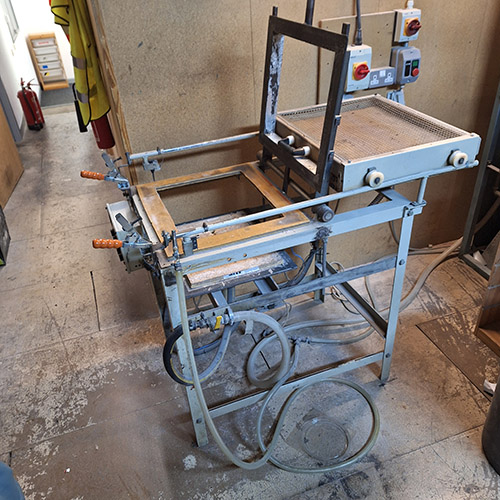
40-years later, the business, which was initially known as Leeds Vacuum Formers, is run by Nigel’s son, Daniel. It turns over £9 million per annum; is based in 25,000 sq. ft. premises; and its products can be found on the shelves of virtually every leading supermarket chain in the UK, plus a plethora of High Street shops.
“I wasn’t even born when my dad and grandad decided to build that first ever thermoforming machine in the garden shed,” said Dan Coates. “But I love that they decided it was a good idea, went ahead, did it and then somehow persuaded John Waddington’s to award them the production of its board game plastic trays.”
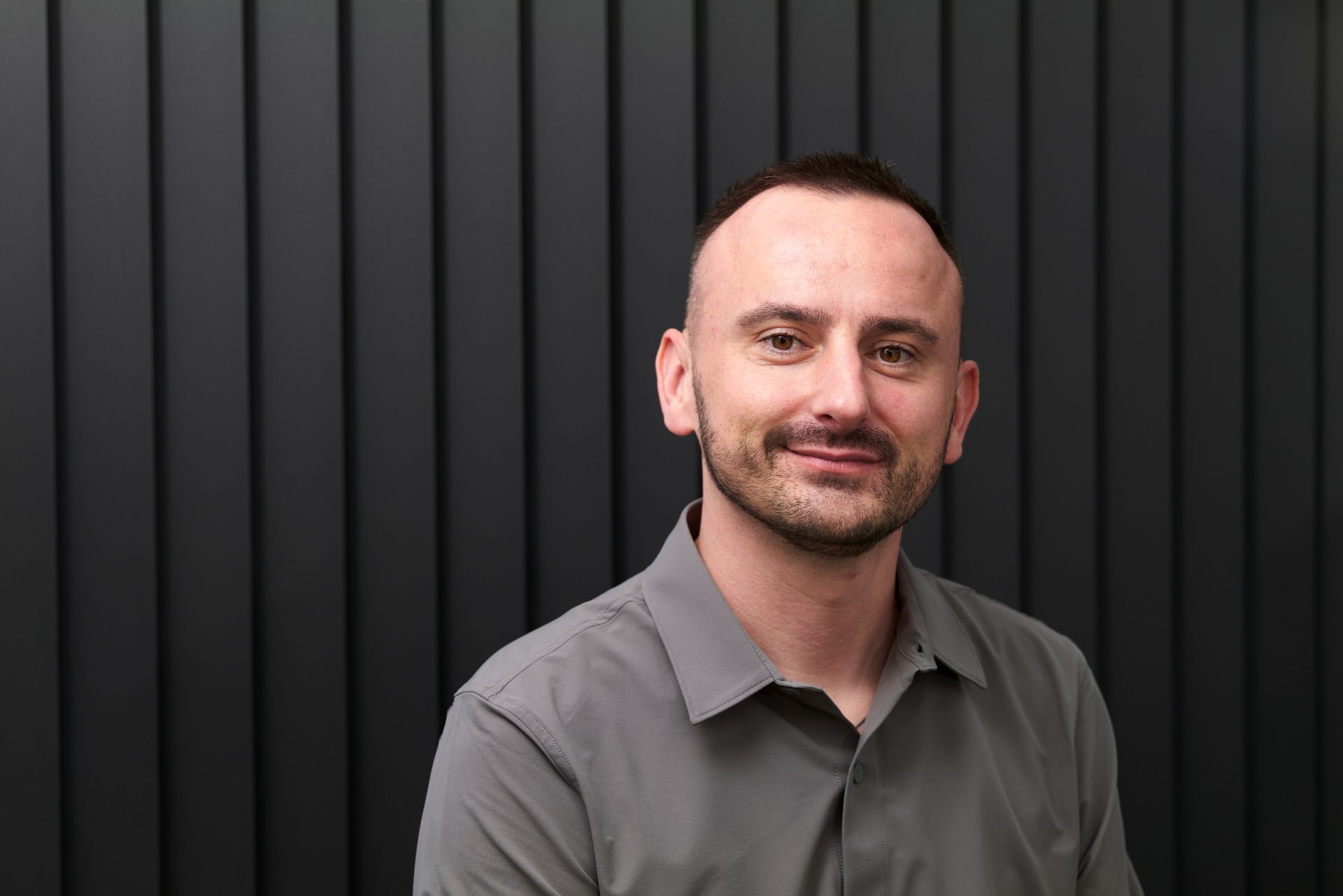
So, what does Dan feel is the key change to impact on the industry over the last 40-years?
Dan Coates: “Back in the early days (so I’m told!), there was a whole load of different materials that were specified by customers. The main ones were PET, PET-G, HIPs and PVC and their use wasn’t standardised; meaning the onus was on businesses like ours to be prepared.
“PET already stood out from the others at the time – especially in the thermoformed packaging industry, where it was seen as ideal due to its impressive levels of rigidity and clarity. And when combined with its low production costs, it quickly started to become the material of choice.
“When rPET came along the entire picture changed. PET-G, HIPs and PVC fell completely out of favour; and PET was overshadowed by its newer, greener little brother. At the time, rPET had a minimum of 30% post-consumer waste content. Since then that percentage has grown significantly and today we offer packaging solutions using rPET with up to 100% recycled content.”
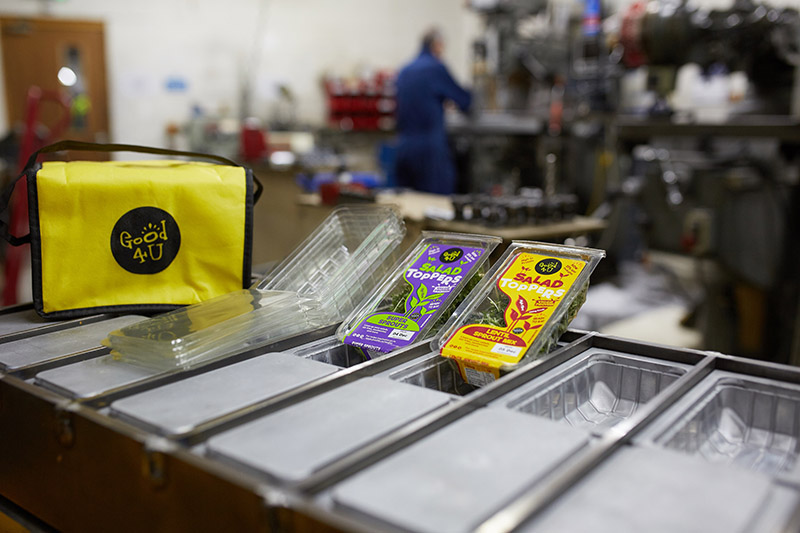
The pressure on the packaging industry over the last few years to move away from plastic has been huge. Where are we now?
Dan: “There’s been a lot of time and money spent on looking for alternative materials that deliver all the benefits of rPET, but with none of the perceived drawbacks of plastic. The truth though is that we’re no closer to finding one and that’s because plastic is still the only viable option. And with the development and adoption of proper recycling streams, then it will overcome the stigma that’s been attached to it for the last decade.”
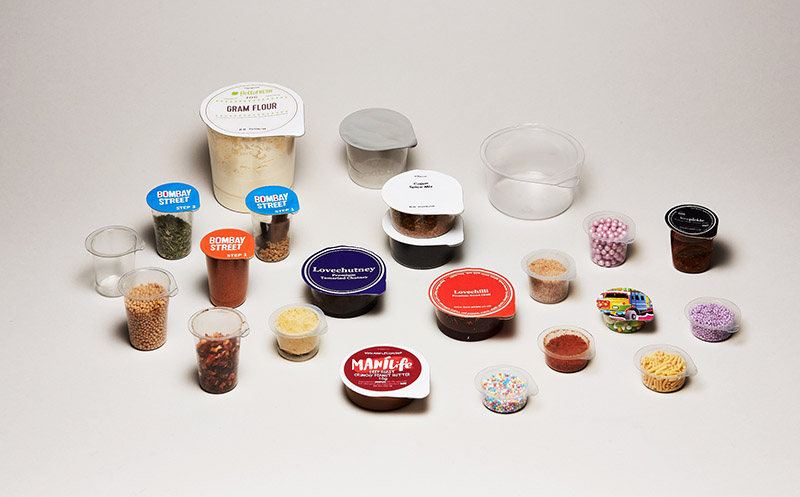
What else should we be looking out for in the packaging world over the next few years?
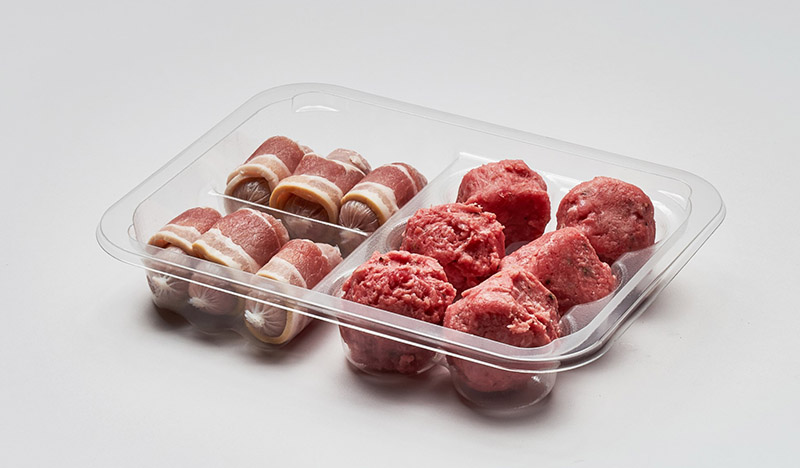
Dan: “Because of the Plastic Tax, customers want to protect profits by reducing the weight and size of packaging manufactured for them. This desire to take the weight out of everything will lead to a significant change in how packs look. The compressed mince packs we see in many supermarkets could well be the shape of the future – although a lot of customers seem to dislike the look and feel of them, which may send packaging manufacturers scurrying back to the drawing board.”
And what of LVF itself?
Dan: “There have been two big game-changers for us over the last 40-years. In the early noughties we got BRC Accreditation for the first time, which opened up an entire new market to us. And then, in around 2010, we brought product development in-house – cutting associated costs and putting the timescale of new product creation and sales firmly in our own hands.
“Both of these helped turn us from a small business to one that could begin to look big, but we did it in a way that didn’t sacrifice our key, founding principle – caring for our customer through the delivery of high-quality products, which will always be supplied on time. And, of course, we will also always compete on price.
“And looking at 2026 and beyond, I firmly believe that the quality of the service we provide as a business will always be the most important element of what our customers look for. A supplier needs to be reliable and we have 40 years of being the most reliable packaging manufacturer under our belts.”