
This article contains paid-for content created in collaboration with AfterPrint Ltd
SUSTAINABILITY is now a routine consideration for many packaging businesses, influencing decisions across materials, production processes, and equipment investment. Rather than focusing solely on headline initiatives, progress is often driven by a series of practical choices made as part of day-to-day operations.
The practices outlined below reflect just some of the ways packaging and print-finishing businesses are approaching sustainability today.
- Choosing more sustainable materials
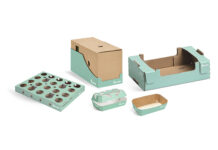
One change seen across the packaging sector is increased interest in materials with improved sustainability credentials. Many brands are:
- Using higher levels of recycled content
- Choosing paper-based or compostable alternatives where appropriate
- Reducing excess packaging wherever possible
Individually, these changes may appear modest, but when applied across high production volumes, they can contribute to reducing material use and waste.
In some cases, material choices are also guided by recognised standards or certifications, helping to demonstrate responsible sourcing and support transparency.
2. Designing packaging with the whole lifecycle in mind
Sustainability extends beyond material choice to include what happens to packaging after use. Many companies are seeking to design packaging with features intended to support recycling or reuse. This often involves clearer labelling, simpler pack structures, and reducing the use of mixed materials that complicate the recycling process.
By considering the full lifecycle at the design stage, manufacturers can help support recycling efforts at the end of use.
3. Reducing waste during production
Manufacturers can also focus on waste generated during packaging production and print finishing. Practical steps to adopt may include:
- Streamlining production processes
- Improving accuracy to reduce misprints and the need to rework
- Reusing offcuts and scrap materials wherever feasible
Even incremental improvements at this stage can help limit unnecessary material use and waste, and could reduce associated resource use.
4. Considering the use of services, pre-owned equipment
New technology remains an important part of both packaging and print finishing. Alongside this, some businesses are also using serviced, pre-owned equipment to meet their production needs.
When properly refurbished and tested, pre-owned machinery can continue to perform reliably, offering a practical option within a broader approach to equipment investment and sustainability.
Focusing specifically on print finishing, Christopher O’Brien, Director at AfterPrint Ltd, comments, “Serviced pre-owned equipment can offer a practical option for businesses looking to extend the use of machinery already in circulation. With thorough testing and refurbishment, it can sit alongside new technology as part of a considered approach to investment and sustainability.”
While not suitable for every application, the use of pre-owned equipment can form part of a balanced sustainability strategy.
5. Being transparent about sustainability efforts
Consumers often seek information on how packaging is produced and how to dispose of it. Ensuring clear communication, whether on the packaging itself, online, or in sustainability reports, can help build trust and support more informed choices. Even incremental improvements are worth sharing if they contribute to measurable progress.
A more sustainable packaging landscape
Sustainability in packaging and print finishing is increasingly shaped by everyday operational choices. By taking a practical approach to materials, production, equipment use, and communication, businesses can make meaningful progress without relying on a single solution or initiative.