
INDUSTRY body British Glass and glass packaging manufacturer Beatson Clark are urging brands not to make ‘hasty’ material switches, after claiming that an ‘unintended consequence’ of the UK’s new packaging Extended Producer Responsibility (pEPR) scheme is that some firms are switching from glass to plastic or aluminium to avoid disproportionate fees.
They predict that the pEPR fee for glass will fall once actual collection and recycling costs are fully understood.
Beatson Clark said that glass packaging is 100% recyclable forever, and being the only mainstream packaging that has a single layer, it has health benefits over other packaging materials too.
pEPR shifts the full cost of managing packaging waste from local authorities to producers. Because the UK scheme is based largely on weight rather than recyclability, Beatson Clark said glass has been hit ‘disproportionately hard’. Meanwhile, drinks packaged in plastic bottles and cans are exempt until the Deposit Return Scheme (DRS) launches in October 2027, leaving glass at a competitive disadvantage in the short term.
Nick Kirk, federation director at British Glass, predicts that the pEPR fee for glass will come down, and is urging brands not to switch from glass to other materials just yet.
“The published pEPR fee for glass was based on estimated collection and sorting costs and came in much higher than expected, especially considering that glass is infinitely recyclable into new packaging,” he said. “Once the actual cost of packaging collection and sorting is known, the future pEPR fee for glass should be reduced.
“Competing packaging materials will face their own policy costs, including the UK Emissions Trading Scheme (ETS), Deposit Return Scheme (DRS) and recyclability modulation, as well as the immeasurable impact on human health and the environment from other materials. So think twice before considering a material switch based solely on the current glass pEPR fee.”
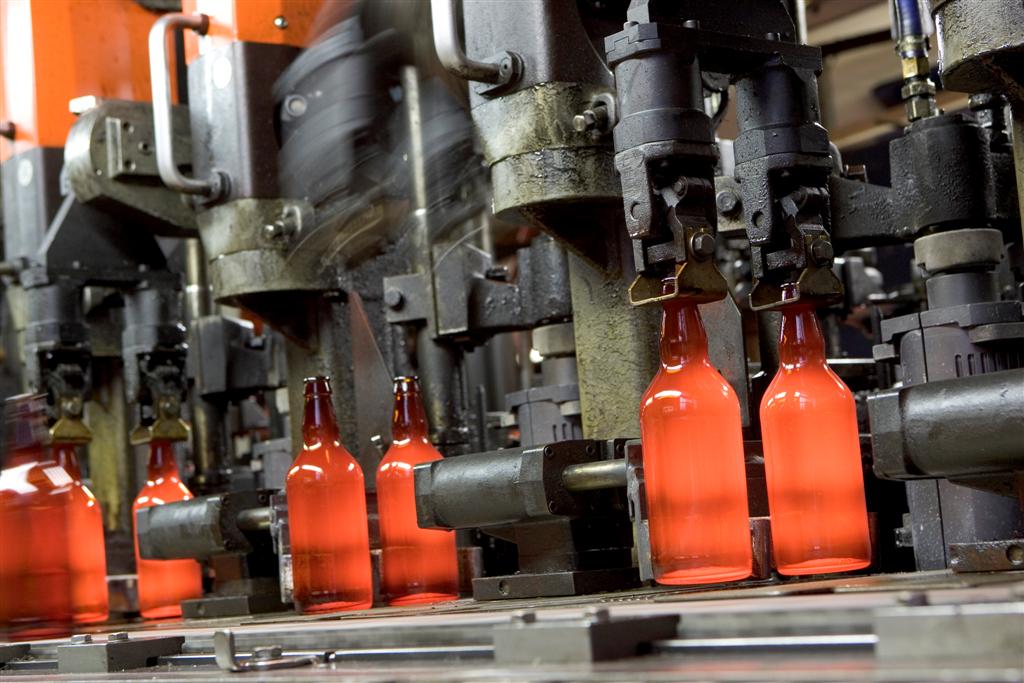
To support producers who want to continue to use glass packaging but who are facing initially high pEPR fees, Beatson Clark revealed it is working to take as much weight out of its products as possible without diminishing the integrity, strength or design of the containers.
In the last 20 years, glass bottles have become 30% lighter on average; more recycled glass content is being used in production than ever; and energy consumption is down in furnaces and across distribution chains due to advancing technology.
Each time a container mould comes up for renewal, Beatson Clark’s in-house design team reviews the design to reduce the weight of the container where possible and ensure the packaging weight is optimised to improve efficiency and sustainability while maintaining performance and quality.
Recently Beatson Clark has lightweighted 12 products in its general sale range, from beer and liqueur bottles to food jars. This is said to have led to a reduction in container weights of between 5g and 105g, which lowers costs for customers and protects the environment as less CO2 is emitted during manufacture.
Eddie Pickering, MD of Beatson Clark, added, “We recognise the pEPR scheme is unfair in its current form, but we are determined to do everything we can to support our customers. By continually innovating in design and efficiency, we’re helping brands keep glass packaging both sustainable and cost-effective.”
Labour MP Sarah Champion, whose Rotherham constituency is home to Beatson Clark, commented, “It is utterly illogical that Defra decisions will result in glass jars and beer bottles being switched to plastic. Defra’s decision is bad for consumers, bad for the environment and terrible for Britain’s glass industry.”